From the kitchen
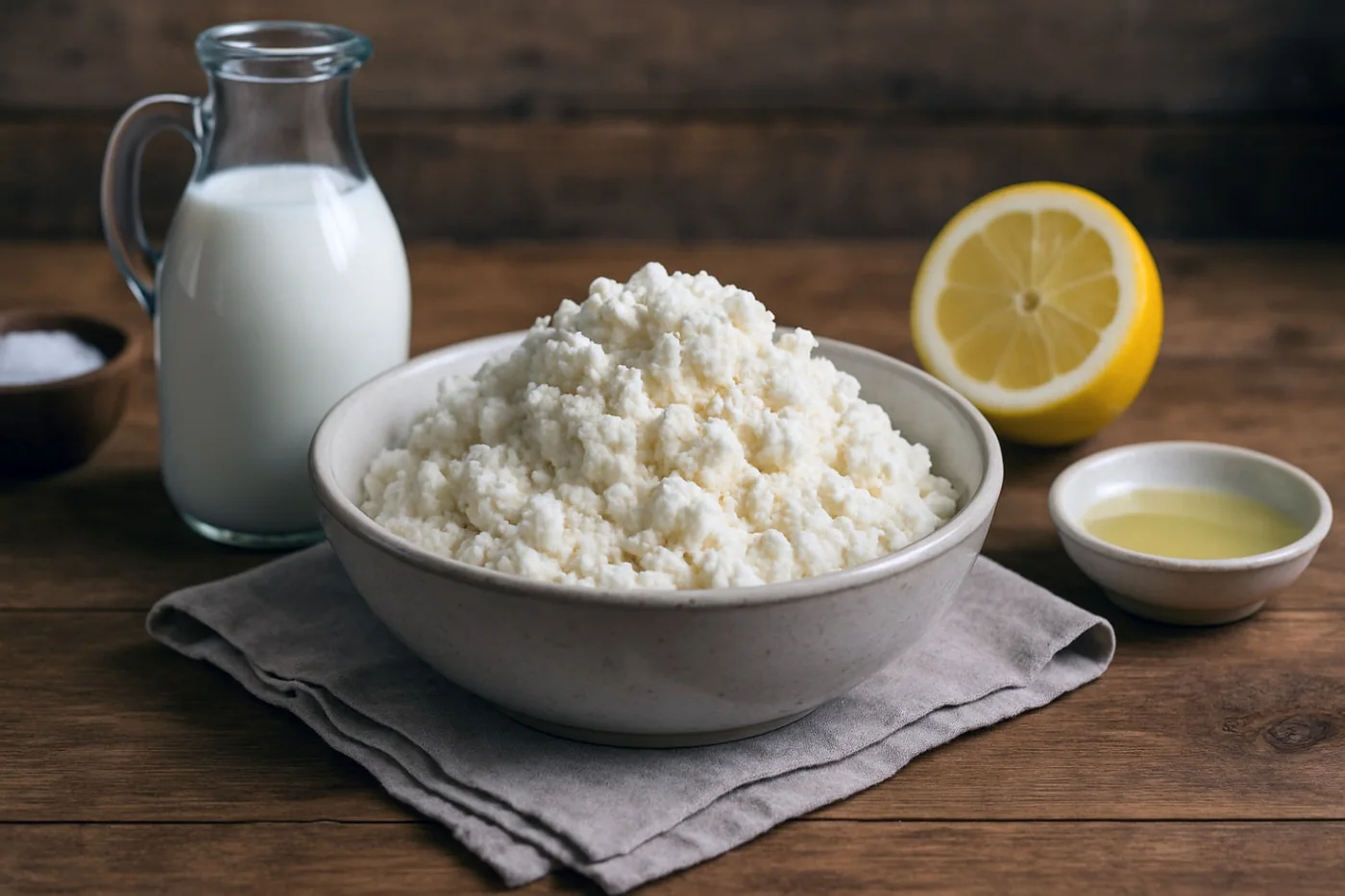
Fresh Camel Milk Cheese
A soft cultured fresh cheese made by safely fermenting camel milk and draining it under refrigeration.
By Aunesty Janssen · The Complete Camel Milk Guide & Cookbook: A Definitive Guide to History, Science, Sourcing & 150 Original Recipes
Ingredients
- 4 cups fresh pasteurized camel milk
- 2 tbsp plain pasteurized yogurt with live active cultures, or commercial starter dosed for 4 cups milk
- 1/2 tsp fine salt
Method
- Wash and sanitize jars and food-safe straining equipment. Heat pasteurized milk to 180°F, stirring, then cool to the starter’s specified inoculation temperature, generally about 110°F.
- Mix live yogurt starter with a few tablespoons milk and stir into the rest. Use a thermostatically controlled yogurt maker at the starter’s instructed temperature for 8 to 12 hours.
- Verify pH 4.6 or below within the starter’s specified window. If it does not acidify, discard. Refrigerate promptly at least 4 hours.
- Mix chilled cultured milk with salt and transfer to a clean fine-cloth-lined strainer over a bowl. Cover and drain in the refrigerator 24 to 36 hours, emptying whey so it stays below the cloth.
- Spoon the thickened cheese into a clean container. Serve as a soft fresh spread; do not expect paneer-like cut curds.
Cook with confidence
Before you start
Before you start
This revised formula makes soft cultured fresh cheese. It replaces the unreliable promise that a fixed spoonful of lemon will set camel milk into firm curds. A rennet-set camel cheese requires a separate specialized protocol.
Serving and keeping
Keep covered at 40°F or below and use within 3 days after draining. Count the earlier yogurt storage time too; do not reset its freshness clock.
Cold Drainage Concentrates the Cultured Milk
Drain the chilled, salted cultured milk through a fine food-safe cloth for 24 to 36 hours under refrigeration. Empty the receiving bowl so whey stays below the cloth. Time changes spreadability and yield; it cannot guarantee a paneer-like block from this milk.
Measure Culture Success Before Texture
If the milk fails to reach pH 4.6 or below in the starter’s instructed window, discard it. If verified cultured milk drains slowly, use a finer cloth and give it refrigerated time. Do not add lemon or boil the drained spread in pursuit of firm curds; that changes the process without guaranteeing success.
Culinary Library
Member guidance is protected.
This recipe includes premium technique notes, troubleshooting, substitutions, storage guidance, or member variations.